How to Choose the Right Architect in Delhi (Without Wasting a Year)
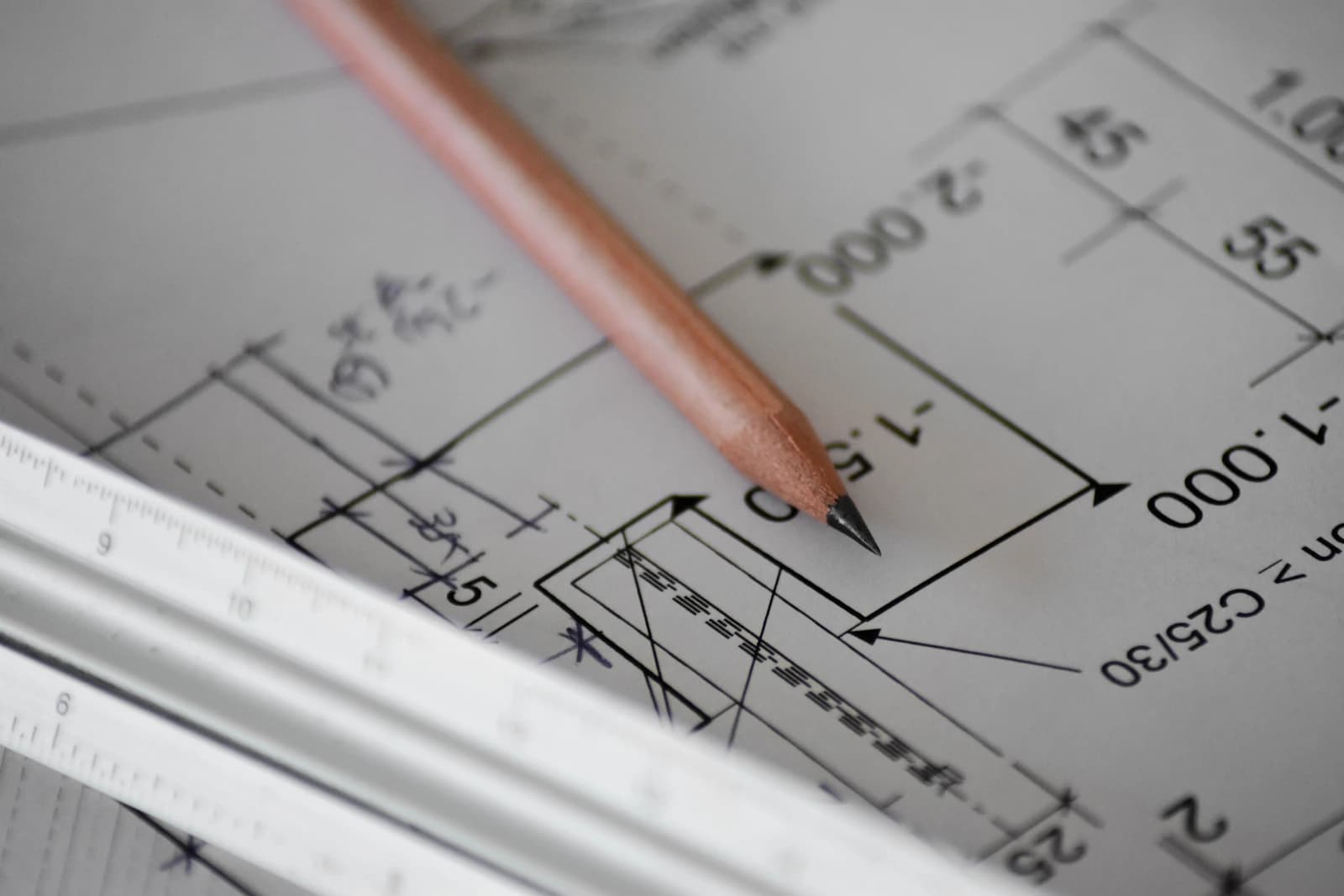
The five questions to ask before signing a fee letter — and the three red flags that should stop the conversation.
Owners ask us how to pick an architect more often than they ask any other question. The honest answer is uncomfortable: the cheapest part of building a house is the architect’s fee, and the most expensive mistake you can make is choosing the wrong one. Here is the short version of what to look for.
Five questions to ask before signing a fee letter
1. Show me a project where the client changed their mind in month six.
Every real residential project has a mid-project pivot — the kitchen layout, a bedroom split, the elevation material. Ask to see one. If the architect says it never happens to them, you are talking to someone who has either done very few houses or stopped listening to clients halfway through.
2. Who actually draws the working drawings?
Many practices in Delhi sell the principal architect’s name and assign a junior to your project. A junior can do excellent work, but you should know who is on the drawing board on day 200. Ask to meet the team that will draw your house, not just the team that will pitch it.
3. What is the smallest project you have completed?
A practice that mostly does 8,000-sq-ft farmhouses will give you a 1,200-sq-ft house that quietly wants to be a farmhouse. Pick someone whose smallest finished project is close in size to yours. The proportions, the joinery details, the cost discipline — everything is different at different scales.
4. How do you handle structural design and PMC?
Some practices outsource structural design to a partner firm; some keep it in-house. Either is fine — but ask. For PMC (project management on site), be especially clear: many architects deliver beautiful drawings and then disappear during execution. Ask exactly how many site visits per week are included, and what happens when something on site doesn’t match the drawing.
5. Can I talk to two past clients without your team in the room?
This is the most useful 30 minutes you will spend. Past clients will tell you the unvarnished version — schedule slip, cost overrun, communication style under stress. Any practice unwilling to put you on a direct phone call with a past client is telling you something.

Three red flags that should stop the conversation
- A fee quoted before they have seen your plot. Every plot has constraints that change scope. A quote without a site visit is a placeholder, not a commitment.
- A turnkey contractor recommending the architect.If the architect’s incentive depends on the contractor being chosen, the design will quietly bend toward what the contractor wants to build. Pay the architect directly. Tender the contractor separately.
- An architect who says “trust us, we know best”. Confidence is good. Refusal to explain the reasoning behind a design choice is not confidence — it is a problem in waiting.
What an architect actually does for you
Beyond the drawings, an architect on your side does three things that you cannot get anywhere else. They protect the design intent against the contractor’s natural drift toward whatever is easiest to build. They make the cost trade-offs visible — “if we change this wall here, you save ₹40,000, and you lose the morning light in the kitchen” — so you can decide. And they hold the schedule honestly. Pick someone whose job is to give you that, not just a stack of drawings.
The architect’s fee is between 4% and 8% of the project cost. The decisions an architect makes affect 60–70% of the project cost. The maths is not subtle.
If you are interviewing practices right now
We are happy to be one of them. Start a conversation and we will come to your plot, walk it with you, and tell you in plain language what we would do and what it would cost.