Designing a House on a 250 sq-yd Plot in Pitampura
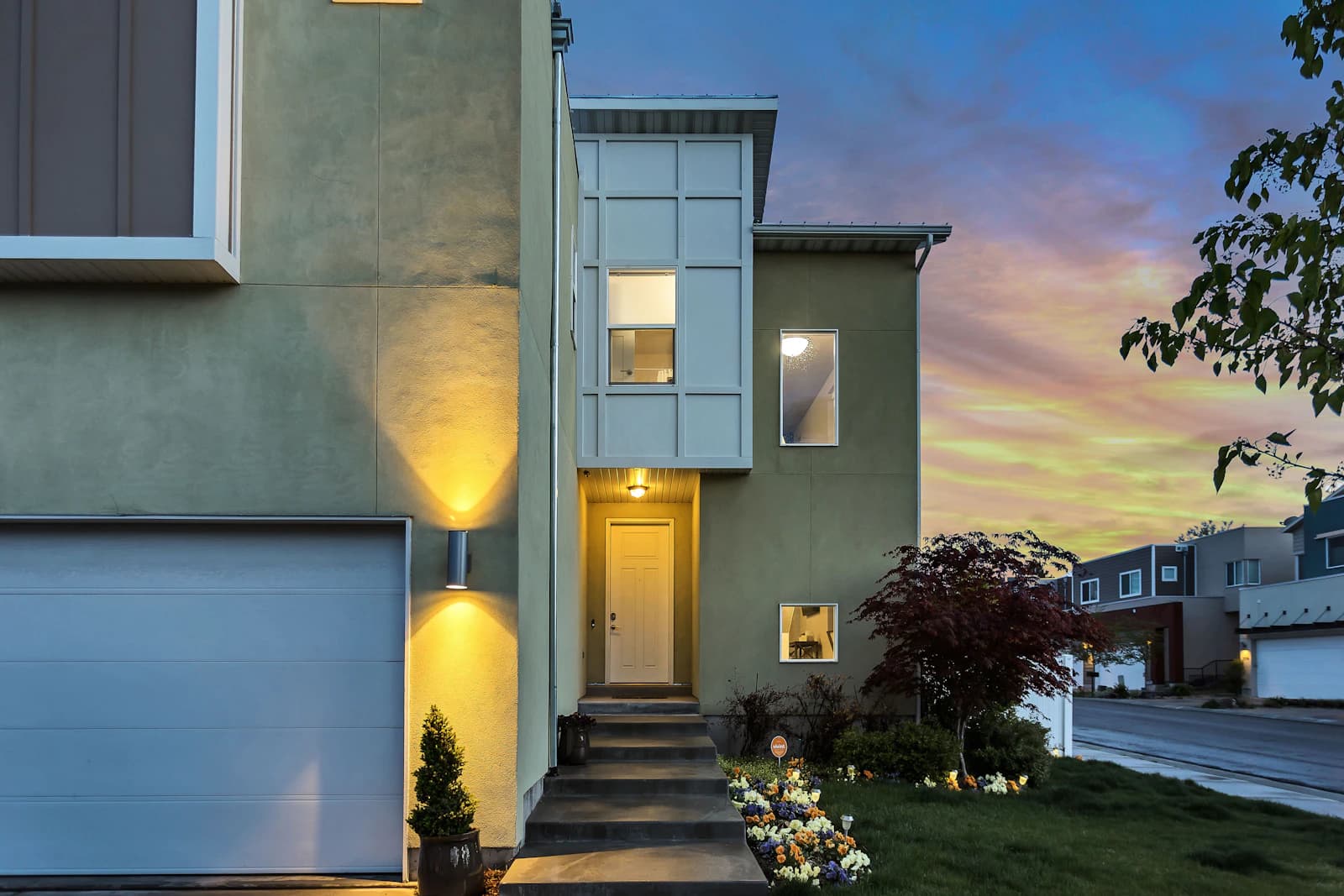
How the standard Pitampura plot wants to be built — and the three constraints that make or break the design.
The standard Pitampura plot is roughly 250 sq-yd, runs north-south, sits on a 30-foot road, and faces one of three directions. Once you know which one you have, two-thirds of the design is already decided for you. The remaining third — what makes the house feel like yours rather than like every other house on the street — is what most owners think about first and what we ask them to think about last.
This guide is written for owners who already have a plot and are trying to picture what their house can become. It uses Pitampura as the running example because the plot geometry is so common, but the same logic applies to Shalimar Bagh, Ashok Vihar, Rohini Sector 16-17, and most of the DDA-developed grid in North-West Delhi.
The three constraints that decide the design
Before any sketch, three things have to be answered honestly. The owner usually wants to skip ahead to elevations and interior moodboards — that is normal, and it is the wrong order.
1. How many independent families will live here in 15 years?
The honest answer is rarely “just us”. On a 250 sq-yd Pitampura plot, with current FAR you can build a ground + two-floor + stilt configuration with each floor a comfortable 3-BHK. Most clients eventually need to accommodate ageing parents on the ground floor, married children on an upper floor, and a rental floor in between. The house wants to be designed so each floor can become independent without re-doing the plumbing or shifting the staircase.
2. Where is the north?
On a north-facing plot, the back of the house gets the harsh western sun and the front gets soft daylight all day. The living room belongs at the front. On a south-facing plot, the opposite is true and you usually move the living room toward the rear courtyard and put a buffer space — a study, a powder room, a shoe-cubby — between the street and the living space. South-facing plots are not worse, but they ask for a different layout.
3. Where does the staircase land?
The staircase is the single most consequential decision in a North-Delhi independent house. Land it wrong and you lose a 6-foot-wide ribbon of usable area on every floor. We typically pull it to the side that the parking ramp wants to enter from, share the wall with the lift, and free the rest of the plot for clean rectangular rooms.
What good design looks like on this plot
Once those three are settled, the actual house wants to do three things at the same time: pull morning light into the centre of the plan, give every room cross-ventilation without compromising privacy, and make the staircase feel like a room rather than a corridor. None of these need expensive materials — they need the plan to be right.
- A double-height stairwell or a small light-well in the centre is usually worth the floor area you lose to it. Every room benefits.
- The kitchen window should face the side setback, not the rear courtyard. Cooking exhaust pulls cleaner from the side.
- Set the master bedroom on the floor with the quietest road exposure. On a typical Pitampura plot, this is the first floor at the rear.
What goes wrong most often
Three mistakes recur. First, oversized formal living rooms that the family uses three times a year. Second, two bedrooms with a shared wall containing the head of both beds — every sound carries. Third, a staircase landing that opens directly into a bedroom door. None of these are unfixable later, but all three are free to get right on day one.
We always tell first-time clients: the house you draw in month one will not be the house you build in month twelve. Spend more time on the brief than on the elevation. The elevation falls out of a good plan.
Approvals and timelines for a Pitampura plot
For a typical 250 sq-yd plot, MCD sanction usually takes 6–10 weeks from drawing submission. Structural NOC and the AAA architect approval run in parallel. Site work — earth-work to handover — runs 14–18 months depending on the spec level and whether you change your mind on the kitchen layout midway (most clients do). Plan for 18 months on calendar before move-in.
A note on resale
Pitampura, Shalimar Bagh and Rohini are some of the only North-Delhi markets where a well-designed independent house holds value far better than a builder-floor in the same neighbourhood. A clean rectangular plan, a usable terrace, and proper light bring a 15–20% premium at resale over the typical builder-floor product. That payback is real, and it is the main reason owners build rather than buy in the area.
If you are at the start of this
We do a free 60-minute first conversation that covers the brief, the budget, the regulatory envelope on your specific plot, and the realistic timeline. By the end of that hour, you will know whether the project we are describing is the one you want to do. Get in touch to set it up.